What to Do When You Have a Plumbing Emergency
A plumbing emergency can turn a normal day upside down in seconds. Water is destructive, and every minute counts. As a licensed master plumber serving Utah County for 35 years, I've walked hundreds of homeowners through emergencies over the phone before I could get there. Here's the exact playbook I want every homeowner to know — because the first five minutes usually decide how bad the damage gets.
Step 1: Shut Off the Water
Stop the flow first, ask questions later. Every home has shut-offs — the trick is knowing where before an emergency happens.
- Toilet overflowing: turn the small oval valve behind the toilet clockwise until it stops.
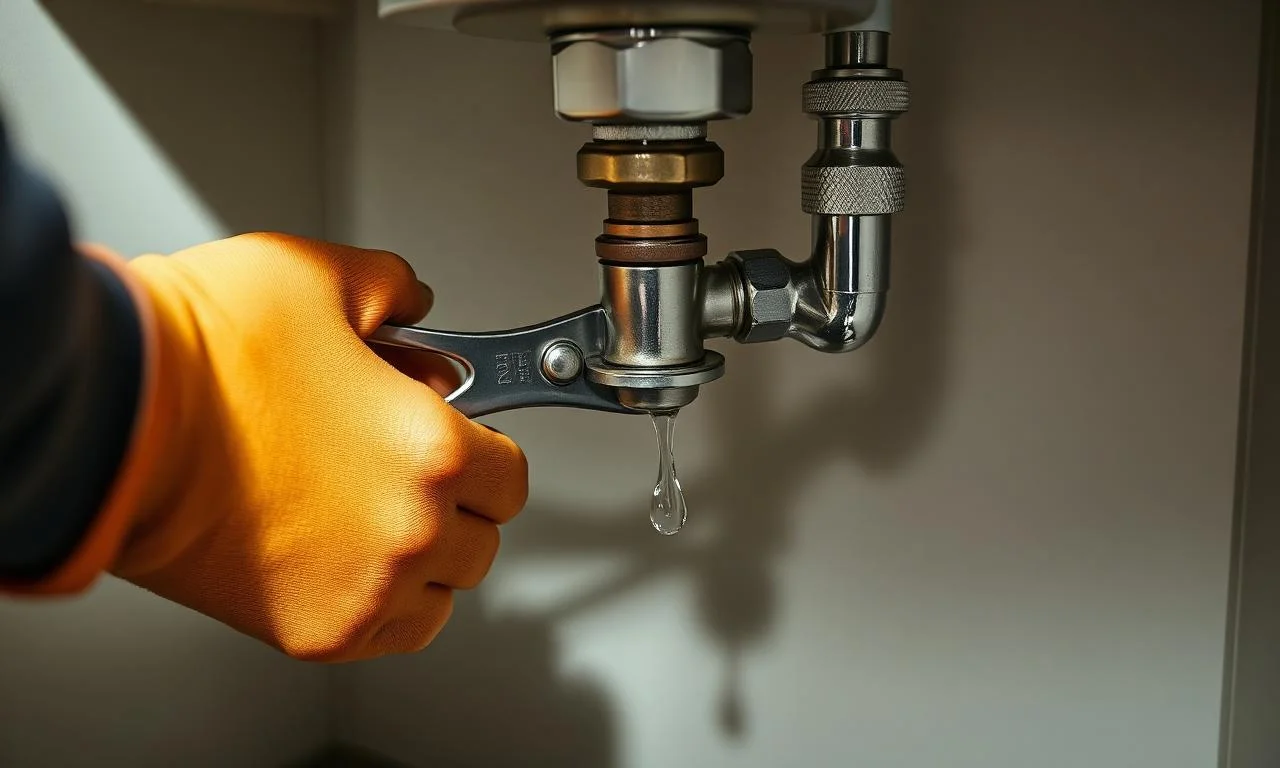
- Sink leaking: use the shut-off valves under the cabinet.
- Water heater leaking: turn off the cold water valve on top of the tank.
- Burst pipe or unknown source: shut off the main water valve. It's usually in the garage, utility room, or near the front of the house at the meter.
Step 2: Kill the Power to Anything Wet
If water is anywhere near outlets, appliances, a furnace, or a water heater, flip the breaker for that area. Water and electricity together are a life-safety issue, not just a plumbing one.
Step 3: Contain the Damage
Grab towels, buckets, and mops. Get water off wood floors and away from drywall as fast as possible. If a ceiling is bulging from water above, poke a hole with a screwdriver in a low spot over a bucket — a controlled drain is far better than an uncontrolled collapse across your entire ceiling.
Step 4: Turn Off the Water Heater If the Main Is Off
If you've shut down the main water valve, also turn off the water heater — either the gas valve or the breaker, depending on the unit. An electric heater with no water in it will burn out the elements in minutes.
Step 5: Document Everything
Before you clean up, take photos and short videos of the damage. Insurance carriers want visual proof of the source and the affected areas. This can be the difference between a fully covered claim and an argument later.
Step 6: Call a Licensed Plumber
Once the water is off and the area is safe, get a professional on the way — this is exactly what emergency plumbing service is for. Give a clear description: what failed, how much water, whether it's still leaking. A good plumber can often help further over the phone while heading your way.
Common Utah County Emergencies I See Most
- Frozen and burst pipes in unheated crawl spaces during January cold snaps
- Water heater tank ruptures in homes with 12+ year old units
- Main line backups from tree roots, especially in older Provo and Orem neighborhoods
- Toilet supply line failures — those little braided hoses fail without warning after 8-10 years
- Pressure-reducing valve failures causing city pressure to blow through the house
Prevention Is Cheaper Than Repair
Most emergencies I respond to could have been prevented with basic maintenance: flushing the water heater once a year, replacing toilet and washer supply lines every 5-7 years, insulating exposed pipes before winter, and having a plumber inspect your home once a decade. It's a small investment that saves the massive one.
Need help?
Call Mike Healey Plumbing at (801) 406-3390. Licensed Master Plumber serving Utah County for 35 years.
Call (801) 406-3390